Sugar Substitutes: Low-Sugar & No-Sugar Options (Farr Better Sweeteners)
If you’re looking for sugar substitutes that still taste great, you’re in the right place. These Farr Better low-sugar and no-sugar substitutes help you reduce added sugar while keeping recipes flavorful—a huge benefit if you’re cooking for food allergies, blood-sugar concerns, autoimmune conditions, or general wellness goals.
 Why cut back on added sugar?
Many people notice more stable energy, better digestion, and fewer cravings when they reduce added sugar. Additionally, lowering sugar intake can support hormone balance and general health—especially when paired with whole-food ingredients.

1) It can lower your blood pressure
2) Additionally, it can lower your bad cholesterol
3) Above all, it decreases your heart attack risk
4) As a result, it keeps your brain sharp
5) You’ll be less likely to have Alzheimer’s and dementia
6) Less likely to have depression
7) Help break your addiction to the sweet stuff
8) A great benefit you may see your skin looking young and also help keep your skin clear
10) You may notice it can help lower your risk of diabetes
11) Furthermore it can help prevent fatty liver disease
12) Equally important it can help reduce your risk of certain cancers
13) Meanwhile, your breath will be sweeter
14) It has shown to help people breathe easier
15) For the most part you’ll have more energy
16) You’ll have fewer cravings
17) Overall you’ll make fewer trips to the dentist and doctor
19) Not to mention, you’ll save money
20) Unquestionably you’ll help planet earth and help impoverished workers
Friendly note: If you have diabetes or metabolic concerns, follow your clinician’s guidance about how much and what kind of sweeteners are appropriate.
Best sugar substitutes
 the links below to see ingredient details, benefits, and purchase options.
To help you shop affordably, consider buying in bulk from your local co-op. In addition, try to choose organic products whenever possible.
1. Natural sweeteners (great flavor + real ingredients)
Stevia
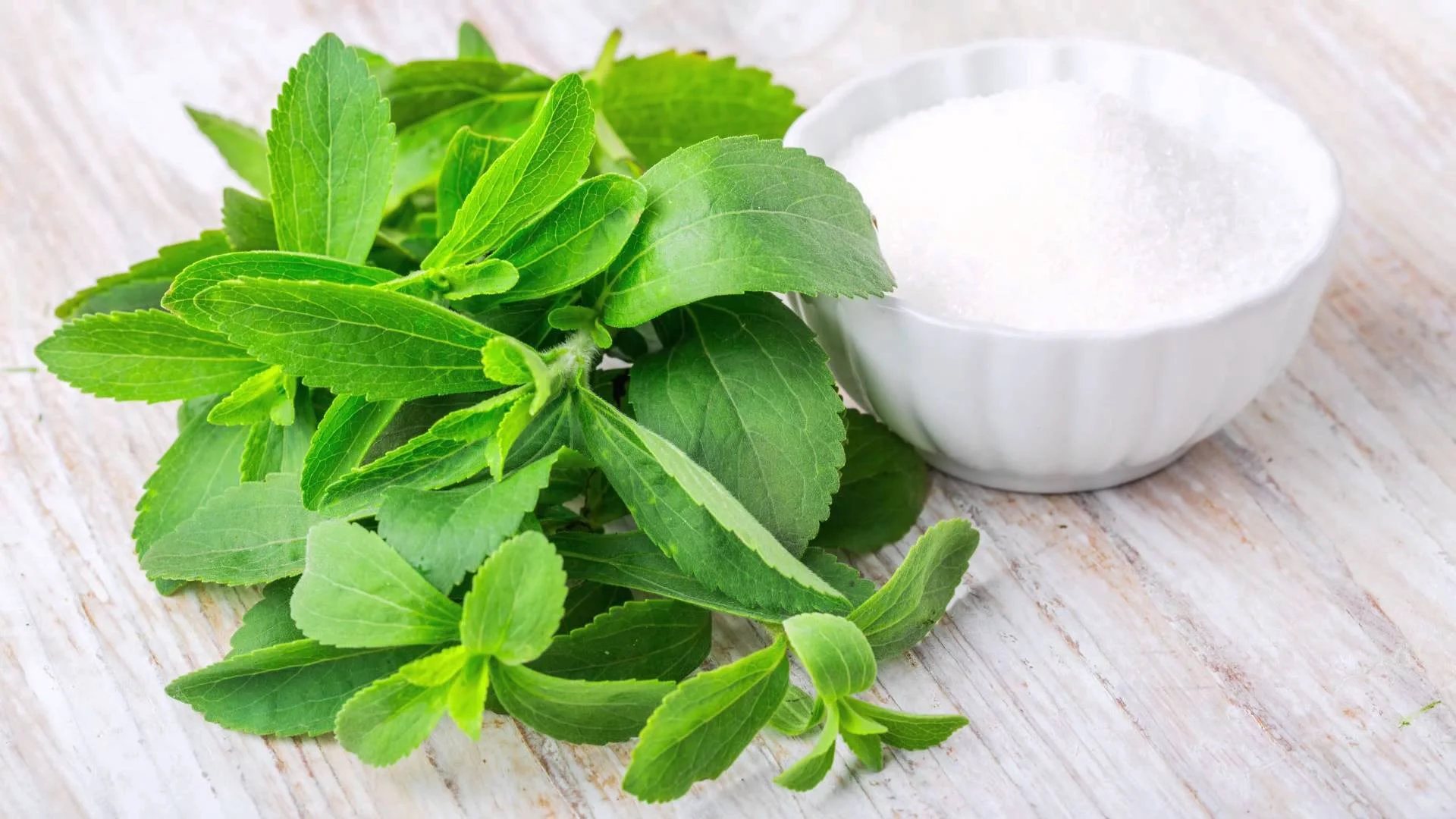
A popular plant-derived sweetener with zero calories. Because stevia is much sweeter than sugar, start with small amounts.
Trusted reference: Healthline – benefits of stevia.
Monk Fruit
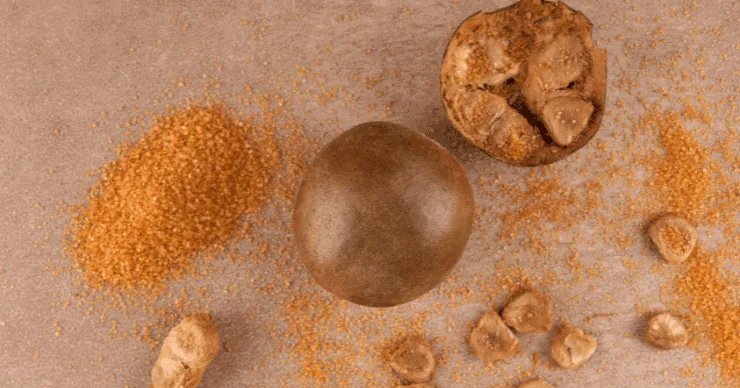
Naturally sweet with no calories. Many people prefer monk fruit because it doesn’t have a noticeable aftertaste.
Trusted reference: Cleveland Clinic – monk fruit sweetener guide.
Locally Sourced Organic Pure Maple Syrup

While still a natural sugar, maple syrup contains antioxidants and minerals. Use sparingly in salad dressings, sauces, or baking.
Trusted reference: WebMD – maple syrup benefits.
Date Paste or Date Sugar
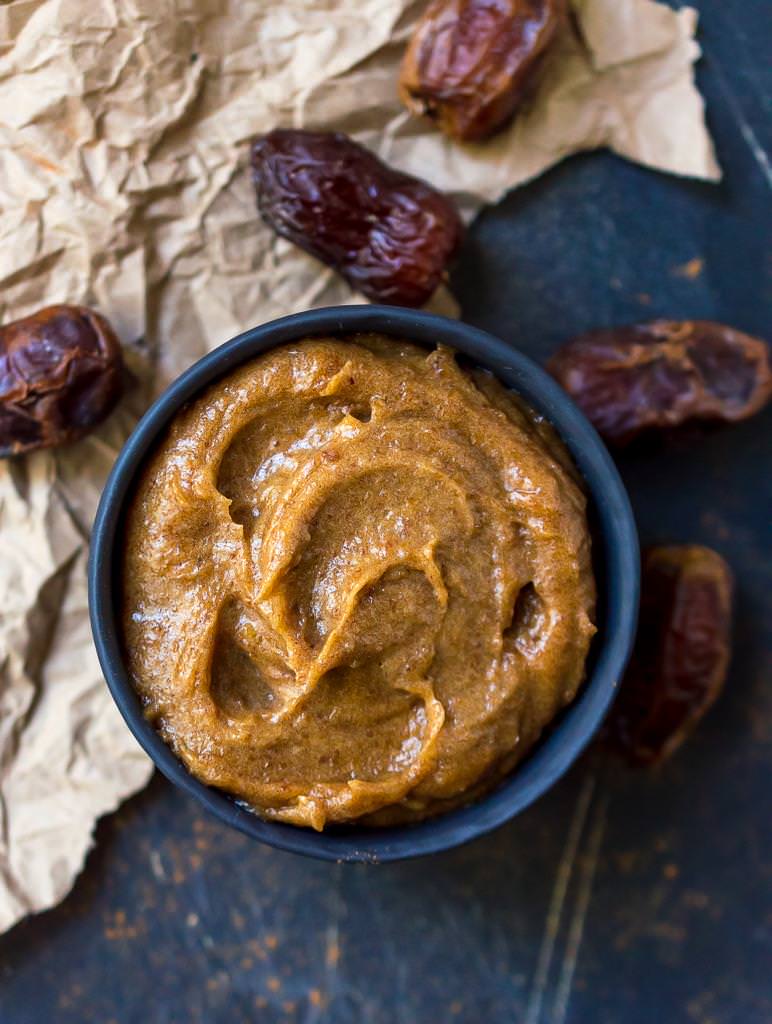
Dates offer fiber, minerals, and a caramel-like sweetness that works well in baking and smoothies.
Trusted reference: Healthline – why dates are nutritious.
Raw Organic Cane Sugar (unbleached)
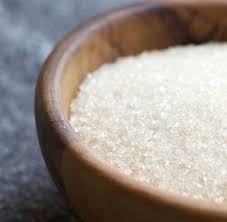
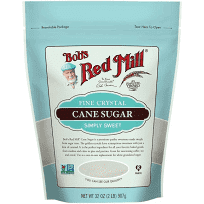
Raw organic cane sugar is minimally processed and retains some natural molasses flavor. It behaves the same as regular sugar in recipes (1:1), so it’s not an actual substitute for those who need to reduce sugar, but it is a less refined option. Therefore, it should be used in small amounts.
Locally Sourced Raw Organic Honey

Honey contains enzymes, antioxidants, and micronutrients not found in refined sugar. Sweeter than sugar, so you can use less. Please note it’s not low-glycemic and it’s not vegan; use only if it fits your dietary choices.
2. Low-glycemic sweeteners
Organic Coconut Palm Sugar means the same as Organic Coconut Sugar
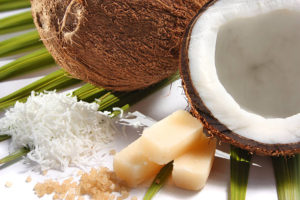
A lower-glycemic option that tastes similar to brown sugar but less sweet.
Trusted references: WebMD – coconut sugar overview.
Agave Nectar
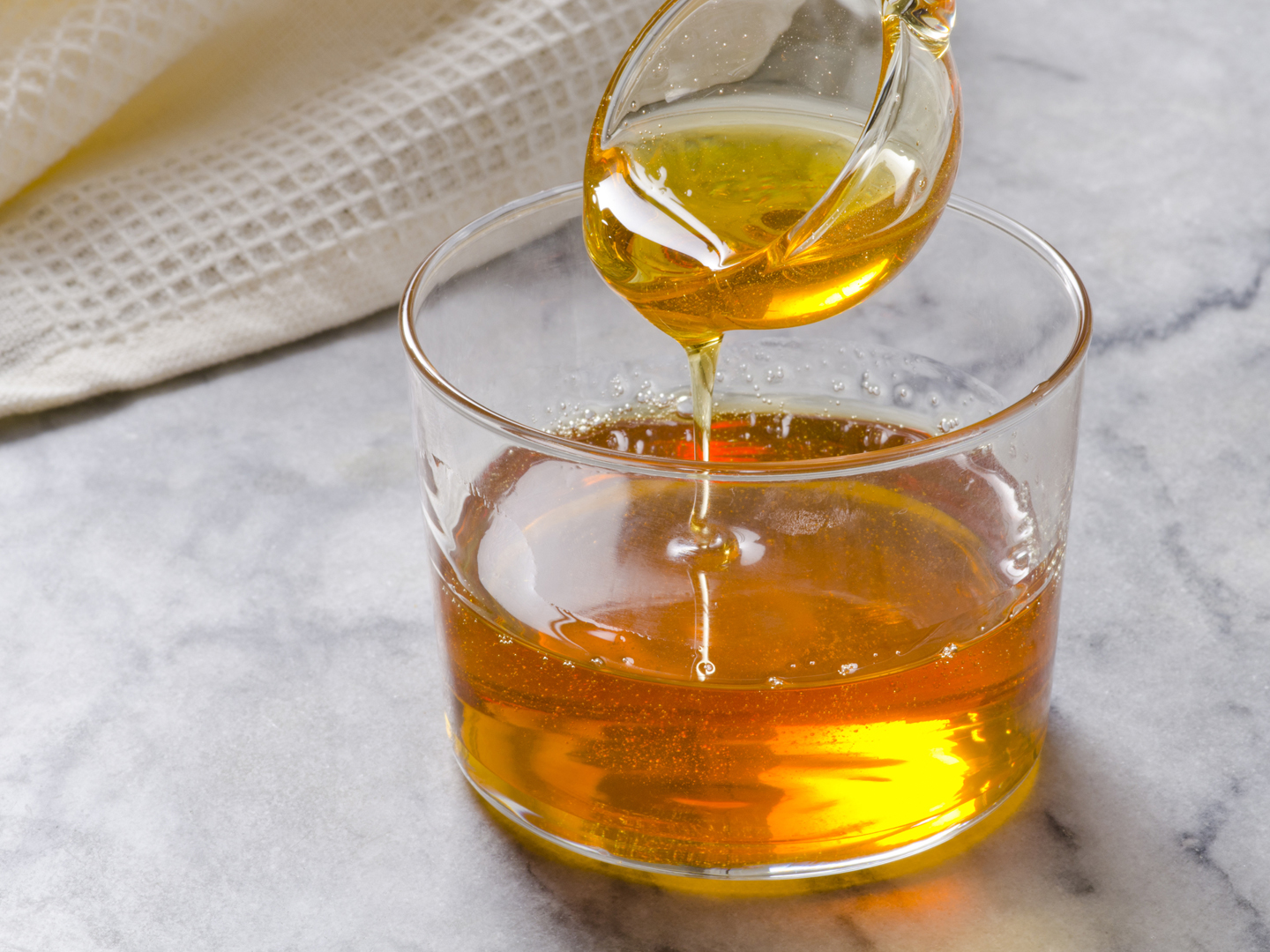
Sweeter than sugar, so you need less. However, it’s still a concentrated sweetener—use sparingly.
3. Zero-calorie sweeteners (use only if tolerated)
For those who prefer no-calorie options, these are common choices:
Erythritol
A sugar alcohol that provides sweetness with almost no calories. Some people with digestive sensitivities may need to avoid it.
Trusted reference: Healthline – erythritol benefits and safety.
Xylitol
Another sugar alcohol with dental benefits. Keep away from pets, as it’s unsafe for dogs.
Trusted reference: FDA – xylitol and pet safety.
Other sugar substitutes on Farr Better Recipes®
 Fruit purées, Applesauce, Mashed banana, Raisin paste, Beetroot powder, Maple crystals
How to replace sugar in everyday cooking
Use this simple guideline so food stays balanced:
Add brightness
A splash of citrus or vinegar can replace the “pop” that sugar usually adds.
Enhance aroma
Warm spices—like cinnamon, nutmeg, cardamom, allspice and vanilla—add natural sweetness.
Boost texture
Use fruit, toasted nuts, or seeds (if tolerated) to create richness without added sugar.
Taste as you go
When substituting sugar, add small amounts and adjust. This helps you avoid overpowering sweetness.
One of my favorite resources:

Healthy Immune Doc and here is what she has to say about ‘The Healthiest Sweetener. It’s not what you think.’
Knowledge is a powerful tool to make the best decisions about your health and wellness. By Lynette Farr
Trusted references for guidance

-
American Heart Association – daily sugar recommendations
-
Harvard School of Public Health – sugars and health
Shopping notes

I try to choose organic, minimally processed sweeteners as often as possible. If you shop online, look for certifications such as organic, non-GMO, Gluten-Free, fair-trade, etc…

Here is where I shop; Farr Better Store Options.
Reminder: If you’re allergic or sensitive to an ingredient, simply skip it—these substitutes are flexible.
Promise
I’ll continue researching reliable, allergy-friendly sugar substitutes so you can Feel Good and Enjoy Life—one delicious recipe at a time.
Feel free to leave a comment with what you’d like added next.