Wheat Avoidance List
Wheat Allergy & Wheat-Free Living Guide (Farr Better Recipes®)

If you’re navigating wheat avoidance due to a wheat allergy, sensitivity, or health concern, you’re not alone. This wheat avoidance list and living guide explains what a wheat allergy is, where wheat commonly hides, and how Farr Better Recipes® helps make wheat-free living easier and more enjoyable.
What Is a Wheat Allergy?
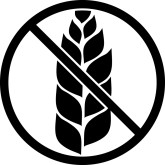
Let’s start at the beginning. Researchers estimate that up to 15 million Americans have food allergies, and wheat is among the most common. In fact, food allergy reactions send someone to the emergency department every three minutes—resulting in more than 200,000 emergency visits per year.
Symptoms
Because reactions can vary widely, some people don’t realize wheat is the trigger. However, if you experience digestive discomfort, respiratory symptoms, itching in the mouth or throat, skin reactions, or hives, it’s important to discuss wheat allergy testing with your healthcare provider.
Why Modern Wheat Causes Problems for Some People
Modern wheat has changed significantly over time. Today, many wheat products come from hybridized seeds grown in depleted soil and heavily processed with chemicals. As a result, wheat is often broken down, bleached, and refined into a highly industrialized filler—something the human body may struggle to tolerate.
For additional background, you can explore this topic further at Grainstorm Heritage Baking.
Wheat Allergy vs. Celiac Disease
Although they are often confused, a wheat allergy and celiac disease are not the same.
-
A wheat allergy triggers an immune response to proteins found specifically in wheat.
-
Celiac disease is an autoimmune condition where ingestion of gluten damages the small intestine. Gluten is found in wheat, barley, rye, and sometimes oats.
Because wheat is commonly used in bread and processed foods, it’s important to read labels carefully unless a product is clearly marked wheat-free or gluten-free.
How Farr Better Recipes® Can Help
People with a wheat allergy often find relief by following a gluten-free and wheat-free lifestyle. That’s why all Farr Better Recipes® are FREE OF wheat and gluten—without sacrificing flavor.
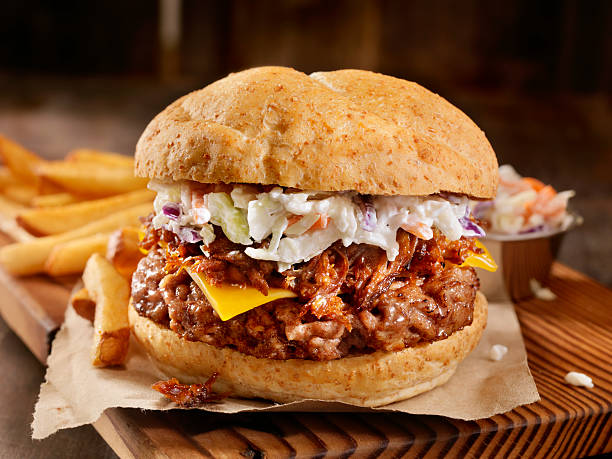
Farr Better Than Pulled “Pork” Sandwich
In addition, I’ve spent years identifying wheat-free products that taste amazing, so you don’t have to feel deprived or overwhelmed. Most importantly, our recipes are designed to taste even better than the originals while supporting multiple dietary needs.
👉 Explore Farr Better Recipes®
Common Foods That May Contain Wheat

-
Soy sauce
-
Beer
-
Artificial or natural flavoring
-
Ketchup
-
Marinara sauce
-
Ice cream
-
Potato chips
-
Rice cakes
-
Turkey patties and hotdogs
-
Even non-food items like play dough
Because of this, learning to read ingredient labels is essential.
How to Read Ingredient Labels with Confidence
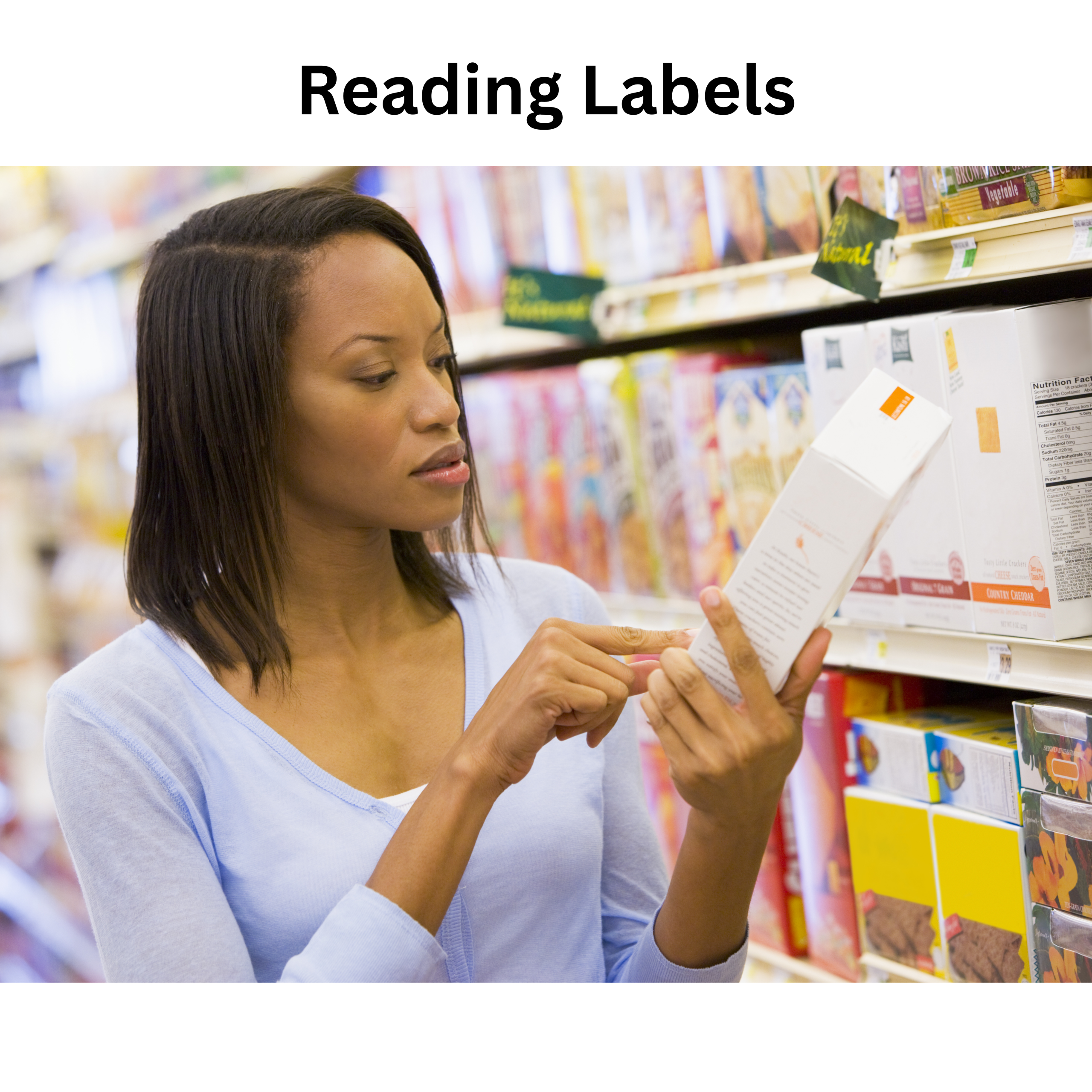
Carefully reading labels helps protect your health. During our shopping tours and training sessions, we teach what to look for and which ingredients require extra caution.
Wheat Avoidance Lists & Trusted Resources
One of the wheat avoidance lists I regularly refer to is from Kids With Food Allergies.

This resource is especially helpful when grocery shopping or transitioning to wheat-free living.
👉 Kids With Food Allergies – Wheat Allergy Avoidance List
Understanding Food Allergen Labeling (FALCPA)
The Food Allergen Labeling and Consumer Protection Act (FALCPA) became law in 2004 and went into effect in 2006. This law requires FDA-regulated foods to clearly label the eight major food allergens, which account for over 90% of food allergies in the U.S.
The eight major allergens are:
-
Milk
-
Egg
-
Fish
-
Crustacean shellfish
-
Tree nuts
-
Wheat
-
Peanuts
-
Soybeans
In addition, labels must specify the exact type of nut, fish, or shellfish used. Mollusks (such as clams or oysters) are not required to be labeled in the same way.
👉 Read the full law: Food Allergen Labeling and Consumer Protection Act of 2004
Promise
I’ll continue researching reliable, wheat-free resources and products so you can Feel Good and Enjoy Life—one confident choice at a time.
Feel free to leave a comment or ask questions about this information.

This post may contain affiliate links. This means if you click on the link and purchase the item we may receive an affiliate commission. Regardless, we only recommend products or services that we believe will add value to our readers. To read our full affiliate disclosure please visit our disclosure page, which can be found here.







Leave a Reply