Gluten Avoidance List
Gluten-Free Living Guide (Farr Better Recipes®)

If you’re navigating gluten avoidance due to gluten sensitivity, celiac disease, autoimmune symptoms, or digestive concerns, you’re not alone. This gluten avoidance list and living guide explains what gluten is, where it commonly hides, common symptoms, and how Farr Better Recipes® supports a gluten-free lifestyle that still tastes amazing.
What Is Gluten?
Gluten is a general name for proteins found in wheat, rye, barley, and triticale (a cross between wheat and rye). It acts as a glue that helps foods maintain their shape and texture. Because of this, gluten is used widely in processed and packaged foods—even in places you might not expect.
Wheat varieties that contain gluten include:
wheatberries, durum, emmer, semolina, spelt, farina, farro, graham, KAMUT® (Khorasan wheat), and einkorn.
👉 Resource: Celiac Disease Foundation
Are There Gluten-Free Grains?
Yes—many grains are naturally gluten-free. These include:
-
Sorghum
-
Millet
-
Brown rice
-
Buckwheat
-
Wild rice
-
Amaranth
-
Quinoa
-
Corn (polenta)
-
Teff
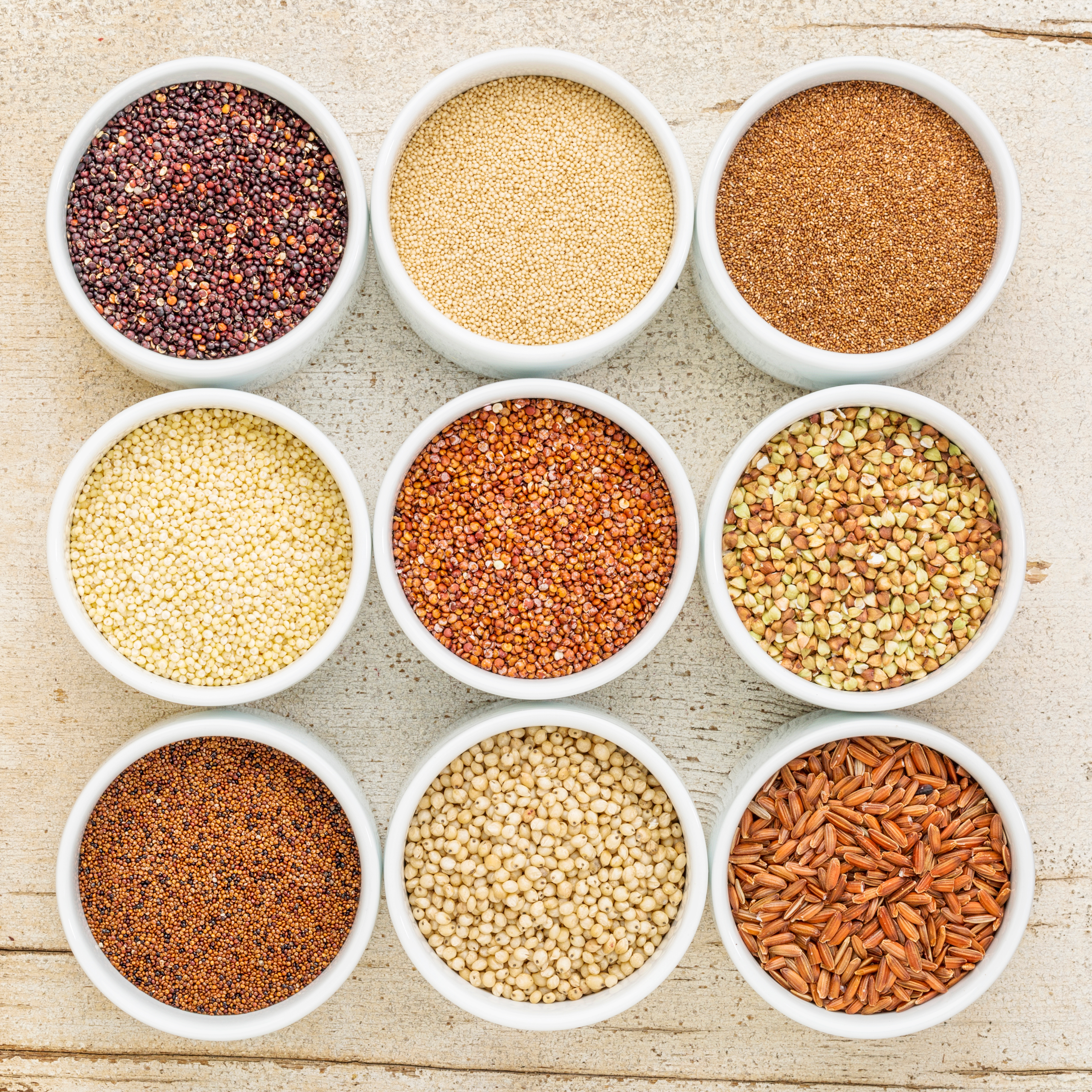
Oats are gluten-free by nature; however, they are often contaminated during processing. Always choose certified gluten-free oats.
👉 Resource: Gluten Intolerance Group
Why Gluten Can Be a Problem
Research suggests that more than 55 diseases have been linked to gluten consumption. It’s estimated that up to 15% of the U.S. population may be gluten intolerant, and as many as 99% of people with gluten intolerance or celiac disease remain undiagnosed.
Because symptoms can vary widely, many people live with ongoing discomfort without realizing gluten may be the trigger.
Common Symptoms of Gluten Sensitivity or Intolerance
Symptoms may include:
-
-
-
Digestive issues (gas, bloating, diarrhea, or constipation)
-
Skin conditions such as keratosis pilaris (“chicken skin”)
-
Fatigue or brain fog after meals
-
Autoimmune diagnoses (Hashimoto’s, RA, lupus, psoriasis, MS, IBD)
-
Neurologic symptoms (dizziness or balance issues)
-
Hormonal imbalances (PMS, PCOS, infertility)
-
Migraines
-
Chronic fatigue or fibromyalgia diagnoses
-
Joint inflammation or pain
-
Mood changes (anxiety, depression, mood swings, ADD)
-
-
👉 Reference: Cleveland Clinic Gluten Intolerance
Our Experience with Gluten Avoidance

In our family, members with Crohn’s disease and food allergies experienced many of these symptoms. That’s why we chose to eliminate gluten and wheat completely. The improvement in quality of life was significant.
When gluten or wheat is removed, it must be eliminated 100%. Cheating—even once—can trigger a strong inflammatory response. One doctor explained it like this:
Your gut may look calm on the surface, like glowing coals. One exposure to gluten is like pouring fuel on a fire. The flare can take days or weeks to settle, even from a small amount.
Because of this, we decided it simply wasn’t worth the risk.
How Farr Better Recipes® Can Help
All Farr Better Recipes® are 100% gluten-free and wheat-free—without sacrificing flavor. These recipes are designed to taste like restaurant-quality meals, so you’re not giving anything up. Instead, you’re gaining a lifestyle focused on Feeling Good and Enjoying Life.

👉 Explore Farr Better Recipes®
Common Foods That May Contain Gluten
Gluten often hides in unexpected places, including:
-
-
-
Barley malt
-
Chicken broth
-
Soy sauce
-
Vinegar
-
Salad dressings
-
Veggie burgers (not labeled gluten-free)
-
Beer
-
-
Because of this, learning to read labels carefully is essential.
How to Read Ingredient Labels with Confidence
Always read labels—even on foods you’ve purchased before. Ingredients and manufacturing practices can change.

Gluten Avoidance Lists & Trusted Resources
One trusted resource we frequently refer to is from Kids With Food Allergies. This list is especially helpful when grocery shopping or transitioning to gluten-free living.

👉 A guide to the gluten-free diet for children
Understanding Food Allergen Labeling (FALCPA)
The Food Allergen Labeling and Consumer Protection Act (FALCPA) requires FDA-regulated foods to clearly label the eight major food allergens, which account for over 90% of food allergies in the U.S.
The eight major allergens are:
-
-
-
Milk
-
Egg
-
Fish
-
Crustacean shellfish
-
Tree nuts
-
Wheat
-
Peanuts
-
Soybeans
-
-
Labels must also specify the exact type of nut, fish, or shellfish used.
👉 Read the full law: Food Allergen Labeling and Consumer Protection Act of 2004
Promise
I’ll continue researching reliable, gluten-free resources and products so you can Feel Good and Enjoy Life—one confident choice at a time.

Feel free to leave a comment or ask questions about this information.

This post may contain affiliate links. This means if you click on the link and purchase the item we may receive an affiliate commission. Regardless, we only recommend products or services that we believe will add value to our readers. To read our full affiliate disclosure please visit our disclosure page, which can be found here.







Leave a Reply